


Services
We trade and process marble and all types of limestones. In the production line, the finishing phase may include:
- Honed
- Polished
- Bush Hammered
- Aged
- Sandstone
- bush-hammered and brushed
- Flamed
- Flamed and Brushed
- Hatched
- scratched
- Scratched and Brushed
- Tracked
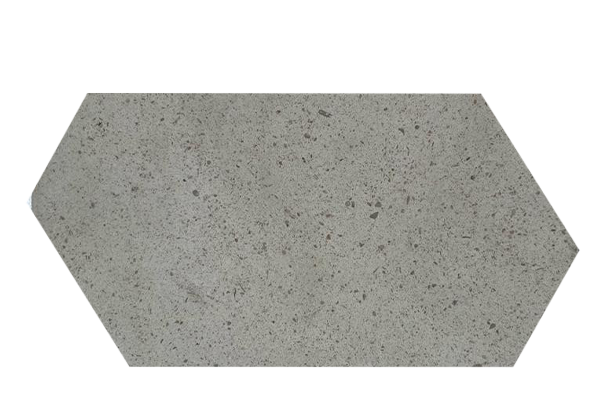
Honed
Honing is the process of smoothing a stone surface through the use of abrasives. It results in a matte or satin finish and is often used to remove minor imperfections, etches, or scratches from the stone surface. Honing can give stone a softer, more natural appearance.
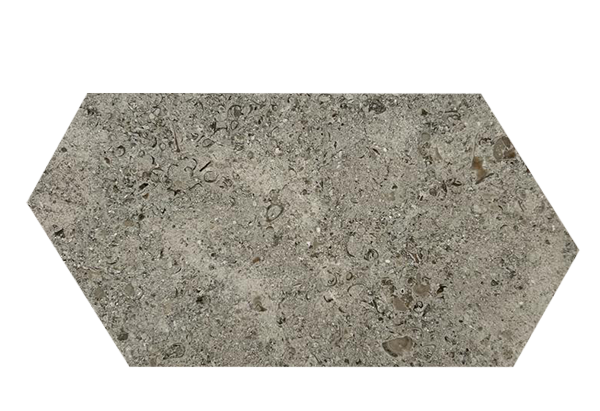
Polished
Polishing is a process that involves using progressively finer abrasives to create a glossy, reflective surface on the stone. This can range from a semi-gloss to a high-gloss finish, depending on the desired level of shine.
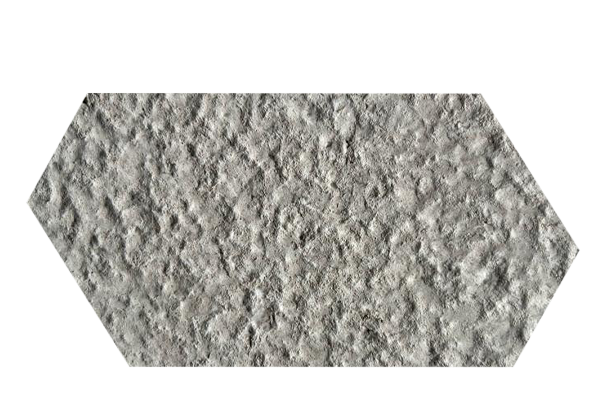
Bush Hammered
Stone hammering, also known as "bush hammering," is a technique used in stone finishing to create a textured, roughened surface on natural stone. This process is often employed to add a rustic or aged appearance to the stone and can be used for various architectural and design purposes.
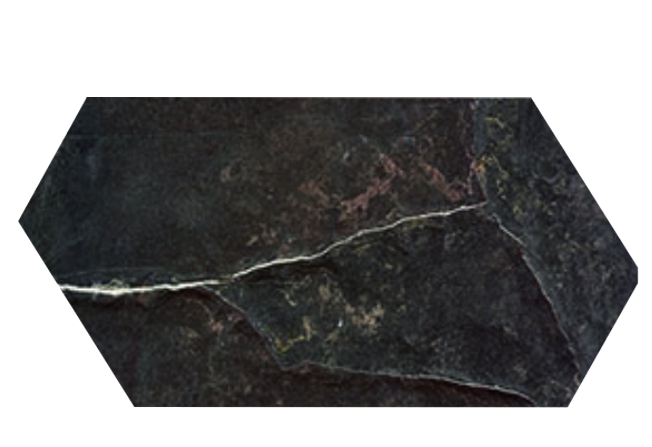
Aged
Stone aging is a technique used to artificially create the appearance of weathering and the passage of time on natural stone surfaces. This process is often employed in architecture and design to give new stone surfaces a more aged, rustic, or antique look.
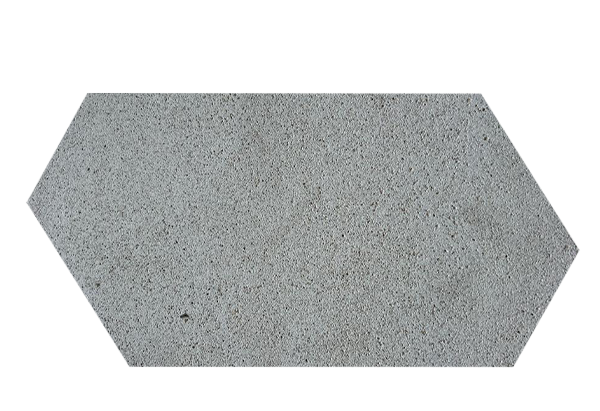
Sandstone
Sandstone stands out for enhancing the color of the material, providing anti-slip properties and a semi-rough texture. Compared to the bush-hammered finish, it is less rough, but has a greater tactile irregularity than the brushed finish. It is therefore a very suitable flat option for flooring, and is also widely used for shower trays and anti-slip strips.
bush-hammered and brushed
The result is a rougher, more irregular texture to the stone, with pronounced cracks. This type of finish gives the stone a robust and rustic appearance. Thick bush-hammered is often chosen for outdoor areas, sidewalks, squares and façades where a more robust and resistant look is desired.
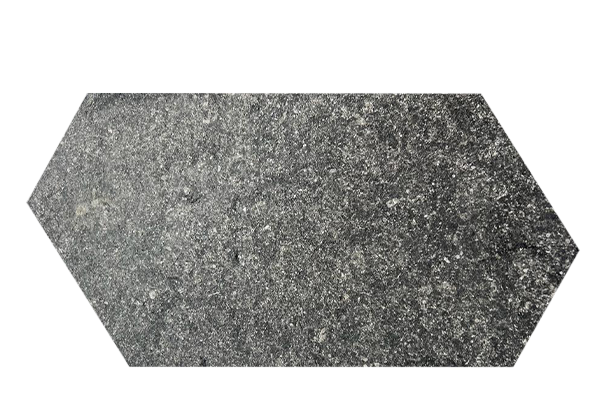
Flamed
Flamed stone is a type of natural stone that undergoes a specific process to obtain a unique and characteristic visual finish. Flamed stone is known for having a rough, irregular texture, often with wavy patterns and movements that resemble flames. The appearance is unique, which gives the stone a vibrant and dynamic aesthetic, with color variations and interesting visual patterns.
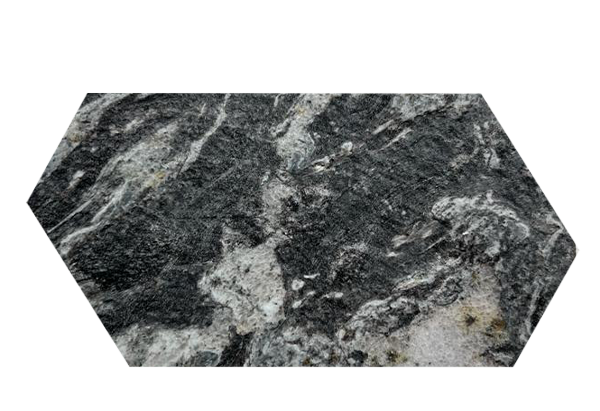
Flamed and Brushed
The flamed finish involves heating the surface of the stone at high temperatures. The result is a rough, irregular texture, often with wavy patterns and dynamic movements. Flamed stone is known for its vibrant and unique aesthetic. It is commonly used in outdoor areas, such as sidewalks, patios and façade cladding, due to its resistance and distinctive appearance.
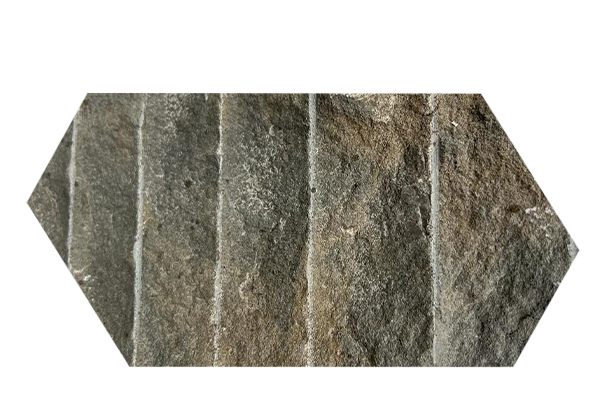
Hatched
This is a finish that is done by hand, known as: chiseling. It should be done on materials from 5cm thick, as the thickness will reduce by about 2cm with wear. The surface will have a rough, uneven texture. It is more suitable for exterior cladding than for flooring.
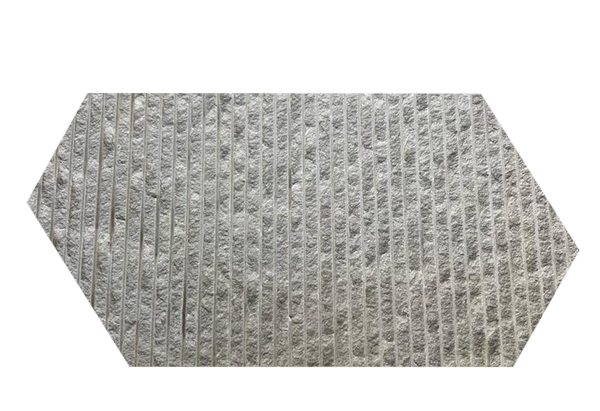
scratched
This finish has a unique, rough and scratched texture, which is achieved using a specific cutter and takes longer to produce than other types of finish. It is a possible highlight in terms of design.
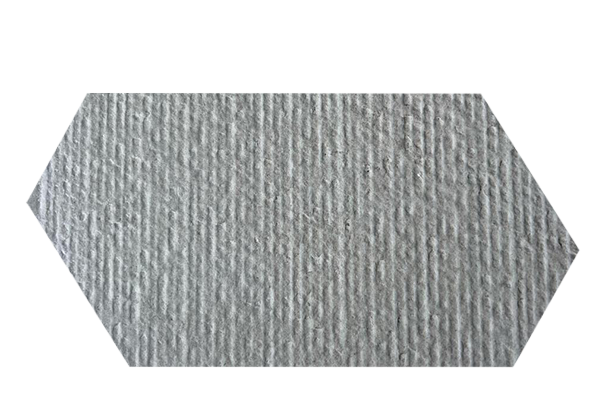
Scratched and Brushed
This finish has a unique, rough and scratched texture, which is achieved using a specific cutter and takes longer to produce than other types of finish. It is a possible highlight in terms of design. The result is a rough, uneven texture
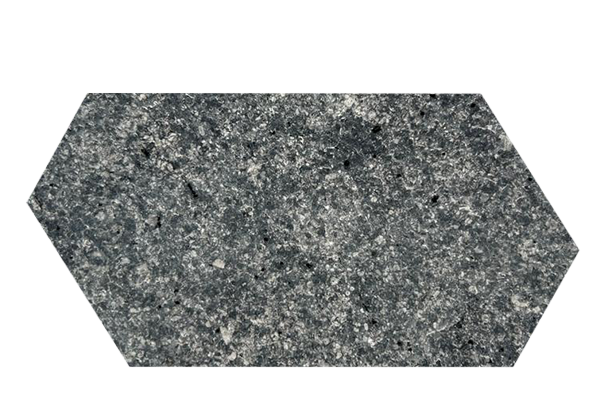
Tracked
The trailed finish results in a marked texture on the stone, with visible grooves that can follow a specific pattern. This texture can add a rustic or decorative touch to the stone. Stones with a grooved finish are often chosen for areas where a more slip-resistant surface is desired, such as sidewalks.